Introduction
Interior design is not only about choosing attractive wall colours or installing suitable lighting separately. These two elements work closely together and can significantly influence how an indoor space looks and feels.
The same wall colour can appear different under natural daylight, warm artificial lighting or cool LED lights. Similarly, a carefully planned lighting system can enhance the appearance of a well-selected colour palette.
When planning an interior painting project, it is therefore important to consider the existing lighting conditions, room size, furniture and purpose of the space. Professional https://www.singcons.com/painting.php solutions can help property owners create a coordinated interior finish that works with the overall environment.
1. Understand the Effect of Natural Light
Natural light changes throughout the day. A room receiving strong daylight may make colours appear brighter, while a room with limited natural light may make the same colours appear darker or more muted.
Before selecting a wall colour, observe how much natural light enters the room and from which direction. This can help you understand how the chosen shade may look during different times of the day.
2. Consider Warm and Cool Lighting
Artificial lighting can change the visual appearance of painted surfaces.
Warm lighting generally creates a softer and more welcoming atmosphere, while cooler lighting can produce a cleaner and brighter appearance.
When selecting colours for an interior painting project, consider the type of lighting already installed in the space. A colour that looks suitable under daylight may appear different under warm or cool artificial lights.
3. Use Light Colours to Enhance Brightness
Light wall colours can help create a brighter and more open visual appearance. They can reflect available light and work particularly well in spaces where natural illumination is limited.
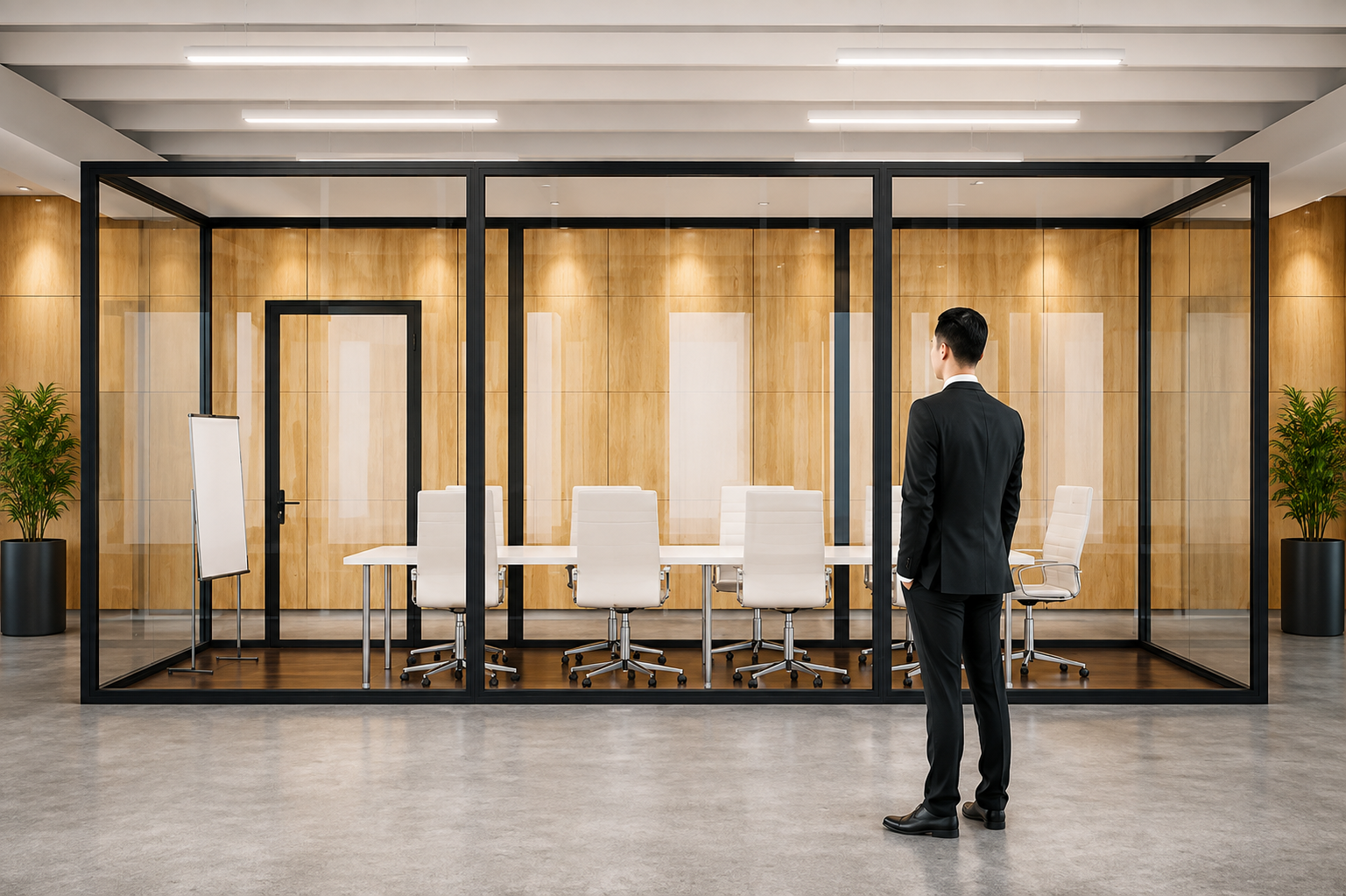
Soft whites, light neutrals and pale shades can be considered for offices, corridors, bedrooms and other areas where a clean and spacious appearance is desired.
A professional https://www.singcons.com/painting.php service can help achieve an even finish that allows the selected colour to work effectively with the room's lighting.
4. Use Dark Colours with Appropriate Lighting
Dark colours can create depth, contrast and a more dramatic appearance. However, they may absorb more light than lighter shades.
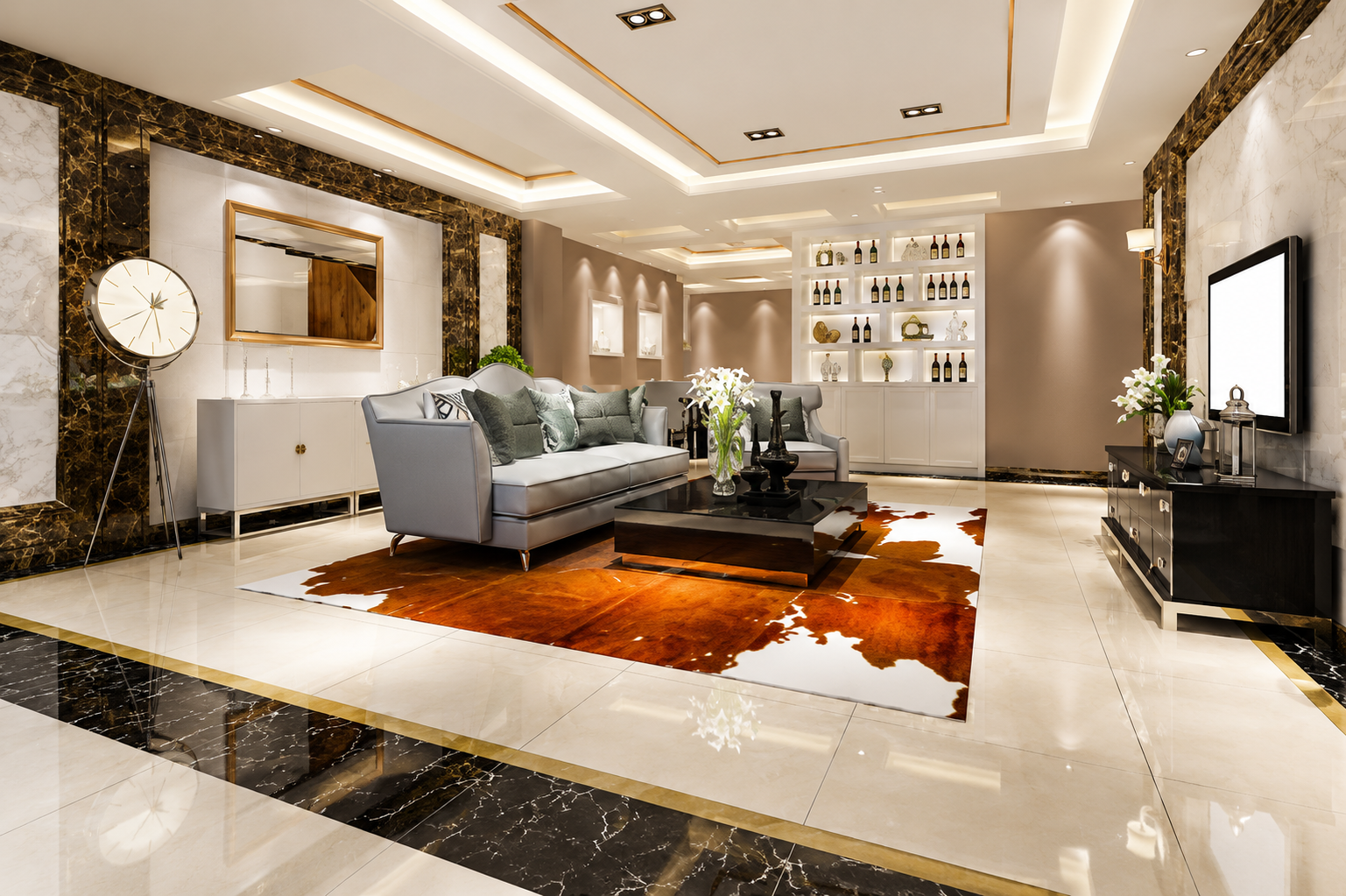
If darker colours are used, adequate lighting should be considered to prevent the space from appearing excessively dark. Accent lighting, wall lights and ceiling fixtures can help balance the overall visual effect.
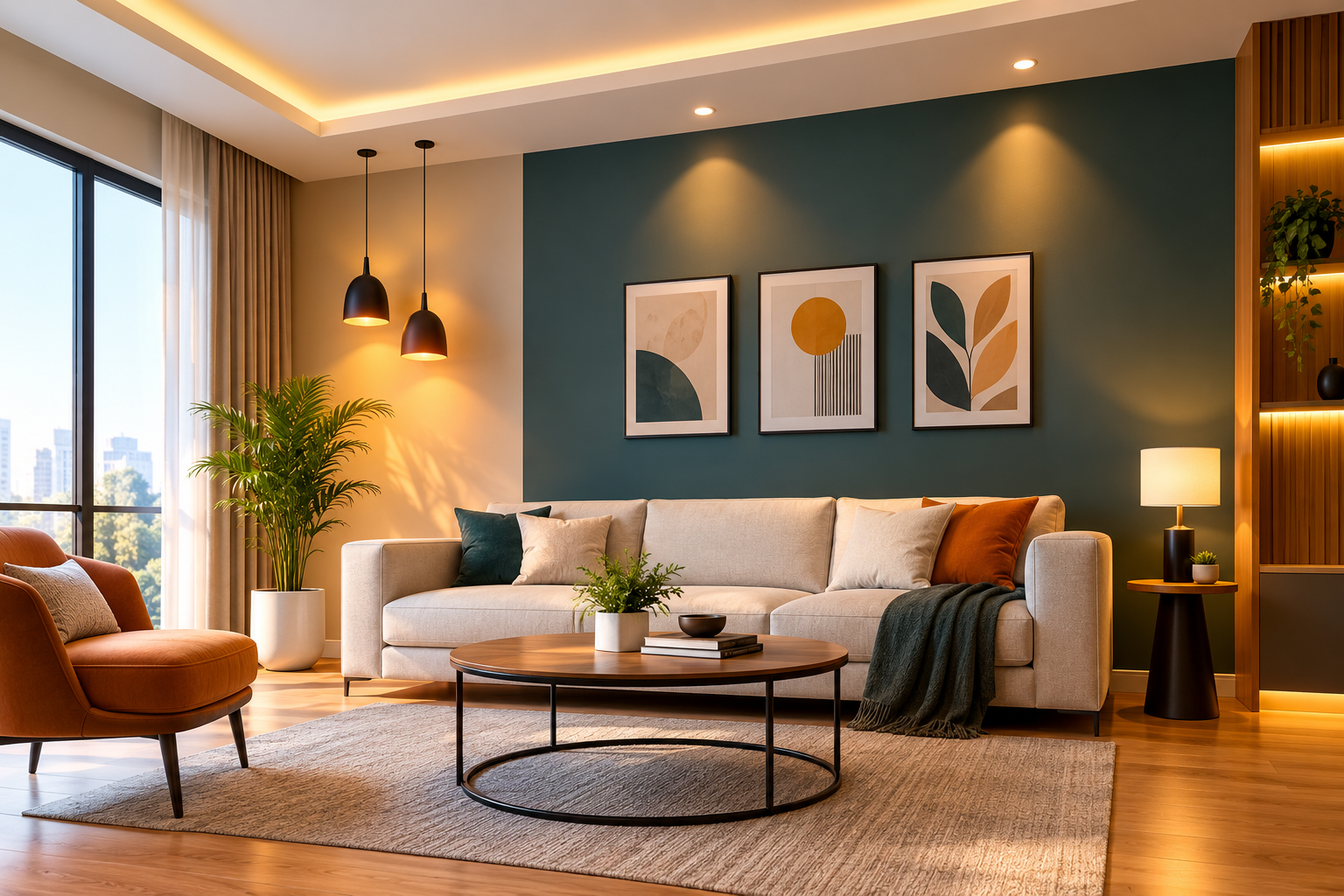
Dark shades can work particularly well on feature walls or selected areas rather than being applied throughout every part of a room.
5. Coordinate Colours with Room Function
The purpose of the room should influence both the colour and lighting choices.
For example:
- Offices may benefit from balanced lighting and neutral wall colours.
- Retail spaces may use colours and lighting to highlight products.
- Hospitality spaces can use warmer combinations to create a comfortable atmosphere.
- Common areas may require brighter and easy-to-maintain finishes.
- Residential interiors can combine different lighting temperatures with suitable colour palettes.
The objective is to create a combination that supports the intended use of the space.
6. Think About Ceiling and Wall Colours Together
The ceiling can influence how light moves through a room. A lighter ceiling can help reflect illumination and contribute to a brighter overall appearance.
Walls, ceilings, doors and trims should therefore be considered as part of one interior colour scheme rather than being selected independently.
For larger commercial interiors, coordinated https://www.singcons.com/painting.php services can help maintain consistency across different rooms and areas.
7. Test Colours Under Actual Lighting
Paint samples should ideally be viewed under the lighting conditions that will be present after the project is completed.
A colour sample may look different under:
- Morning daylight
- Afternoon sunlight
- Warm LED lighting
- Cool LED lighting
- Ceiling lights
- Accent lighting
Testing samples in the actual environment can help reduce surprises after the painting work is finished.
8. Consider Surface Condition and Finish
Lighting can also highlight imperfections on walls. Uneven surfaces, cracks or poorly prepared areas may become more noticeable when directly illuminated.
Proper surface preparation before painting can help create a more consistent appearance. The selected paint finish should also be appropriate for the surface and intended use.
Professional https://www.singcons.com/painting.php services can be considered when a property requires organised preparation and painting work.
9. Create Visual Balance
The goal is not simply to make a room brighter or darker. Lighting and colours should work together to create visual balance.
For example, a room with strong natural light may work well with slightly deeper colours, while a poorly lit room may benefit from lighter shades and carefully positioned lighting.
Using contrast strategically can also draw attention to architectural features, artwork, furniture or specific areas of a commercial interior.
Benefits of Coordinating Lighting and Wall Colours
A coordinated approach can help:
- Improve the visual appearance of interiors
- Create a more balanced atmosphere
- Make spaces appear brighter or more spacious
- Highlight architectural features
- Support the intended function of a room
- Create consistency across commercial spaces
- Improve the overall finish of a painting project
FAQ
1. Does lighting affect how wall colours look?
Yes. Natural and artificial lighting can change how colours are perceived. The same paint colour can look different depending on the intensity and colour temperature of the lighting.
2. Which wall colours work well in rooms with limited natural light?
Light and neutral shades can help create a brighter visual appearance. However, the final choice should also consider the room's existing artificial lighting and furnishings.
3. Can dark wall colours be used in commercial interiors?
Yes. Dark colours can be effective when balanced with sufficient lighting. They can also be used selectively to create feature walls or visual contrast.
4. Should paint colours be tested before the entire room is painted?
Yes. Testing samples under the actual lighting conditions can help property owners understand how the selected colour will appear at different times of the day.
5. Why is surface preparation important before painting?
Proper preparation can help create a smoother and more consistent finish. It can also reduce the visibility of existing surface imperfections that may become noticeable under strong lighting.
Conclusion
Interior lighting and wall colours should be planned together rather than treated as completely separate design elements. Natural daylight, artificial lighting, room function, surface condition and colour selection can all influence the final appearance of an interior.
By coordinating these elements carefully, property owners can create interiors that are brighter, more balanced and better suited to their intended purpose. For professional interior painting requirements, Singcons' https://www.singcons.com/painting.php service can be considered as part of a complete interior improvement project.
Need
If your interior currently feels too dark, unbalanced or visually inconsistent, reviewing the relationship between wall colours and lighting can help identify areas that need improvement.
Transform
With suitable colour selection, proper surface preparation and coordinated lighting, an ordinary interior can be transformed into a more comfortable, functional and visually cohesive space.