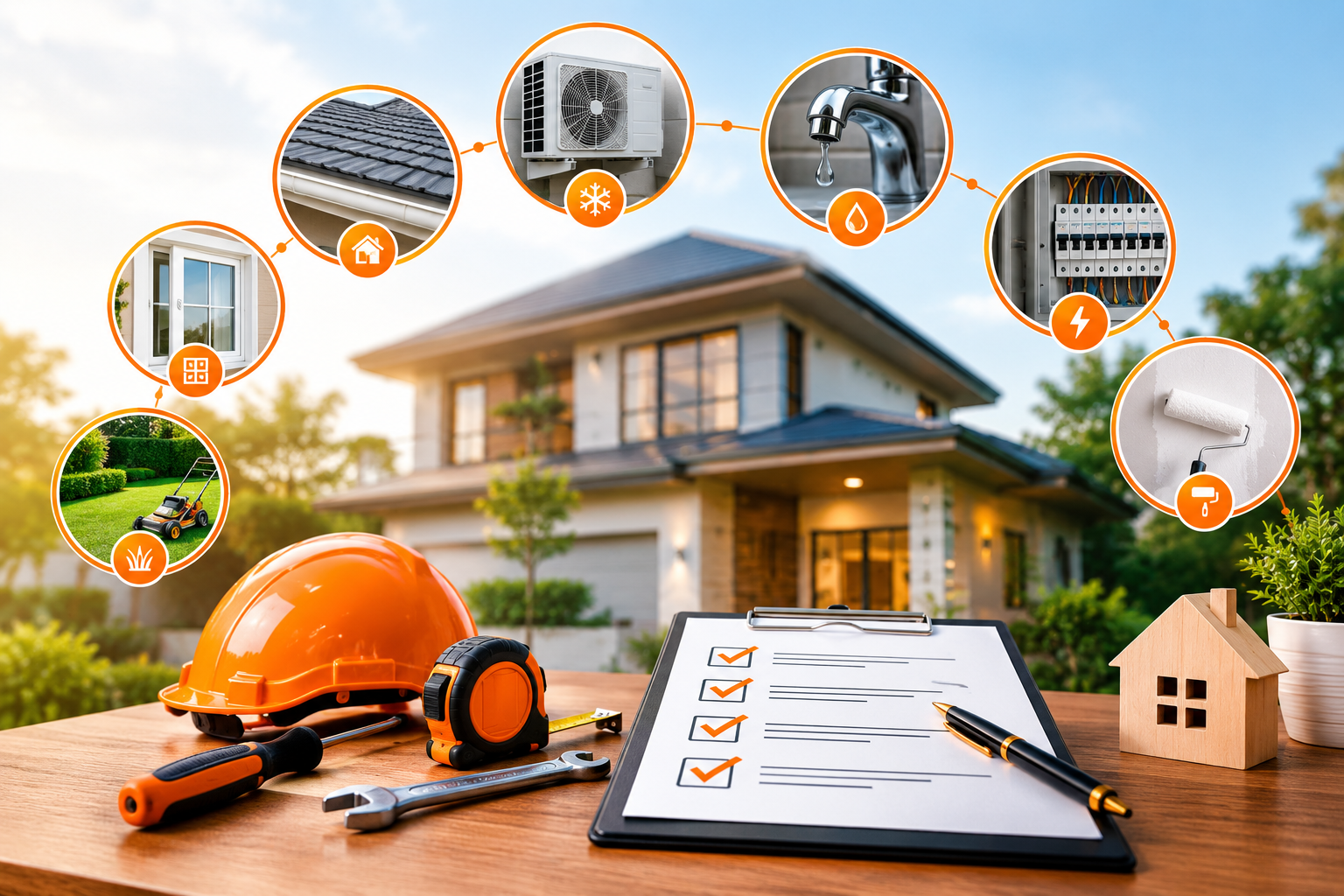
Keeping a property in good condition does not always require major renovation work. Small repairs, routine inspections, fixture checks, and maintenance tasks can make a significant difference to the comfort, safety, and appearance of a home.
For busy homeowners, the challenge is often finding enough time to identify and address these smaller issues before they become larger problems. A simple property maintenance checklist can make routine upkeep more manageable and help homeowners stay organized.
From checking doors and fixtures to inspecting walls, plumbing areas, furniture, and general fittings, regular attention can help maintain a functional and presentable home.
For professional repair, installation, and maintenance support, homeowners can explore https://www.singcons.com/handyman.php, which covers general repairs, maintenance work, fixture installation, furniture assembly, and property improvement services.
Why Regular Property Maintenance Matters
Small property issues can gradually become more noticeable when they are ignored. A loose handle, damaged fitting, sticking door, or minor wall problem may appear insignificant initially but can affect the usability and appearance of a space over time.
Regular maintenance helps homeowners:
- Identify small issues early
- Keep rooms functional
- Maintain fixtures and fittings
- Improve the appearance of the property
- Reduce unexpected repair requirements
- Keep maintenance tasks organized
A maintenance checklist also makes it easier to divide tasks into weekly, monthly, quarterly, and annual activities.
1. Check Doors, Handles and Hinges
Doors are used frequently and can develop problems over time. Homeowners should periodically check whether doors open and close smoothly.
Look for:
- Loose handles
- Noisy hinges
- Misaligned doors
- Sticking doors
- Damaged locks
- Loose screws
- Worn fittings
Minor issues can often be identified early through a simple visual and functional check.
For door, handle, hinge, and fixture-related requirements, professional handyman support can be explored at https://www.singcons.com/handyman.php.
2. Inspect Walls and Ceilings
Walls and ceilings should be checked periodically for visible changes.
Homeowners can look for:
- Small cracks
- Peeling paint
- Stains
- Damp-looking areas
- Loose fittings
- Minor surface damage
Not every mark indicates a serious structural issue, but noticeable changes should be assessed rather than ignored.
Keeping surfaces maintained also helps preserve the overall appearance of the property.
3. Check Plumbing Fixtures
Water-related problems can sometimes begin with small signs such as dripping taps, loose fittings, or moisture around fixtures.
A basic inspection can include:
- Taps and faucets
- Sink connections
- Visible pipes
- Toilet fittings
- Shower fixtures
- Areas below sinks
If unusual moisture, persistent leakage, or significant plumbing damage is noticed, the issue should be assessed by an appropriate professional rather than repeatedly patched without identifying the cause.
4. Inspect Furniture and Built-In Fittings
Furniture can become loose or unstable through regular use. Check chairs, tables, cabinets, shelves, and other commonly used items for loose screws, damaged fittings, or alignment problems.
Furniture assembly and adjustment are also among the handyman services offered by Singcons.
5. Check Cabinets, Drawers and Storage Areas
Cabinets and drawers are opened frequently, making their hinges, handles, runners, and fittings susceptible to wear.
Add these items to your maintenance checklist:
- Cabinet handles
- Hinges
- Drawer runners
- Shelves
- Cabinet doors
- Loose fittings
Addressing minor hardware problems early can help prevent further wear and make everyday use more convenient.
6. Inspect Lighting Fixtures
Lighting fixtures should be checked for visible damage, loose components, or other issues.
Homeowners can also review whether commonly used rooms have adequate lighting and whether any fixtures need adjustment or replacement.
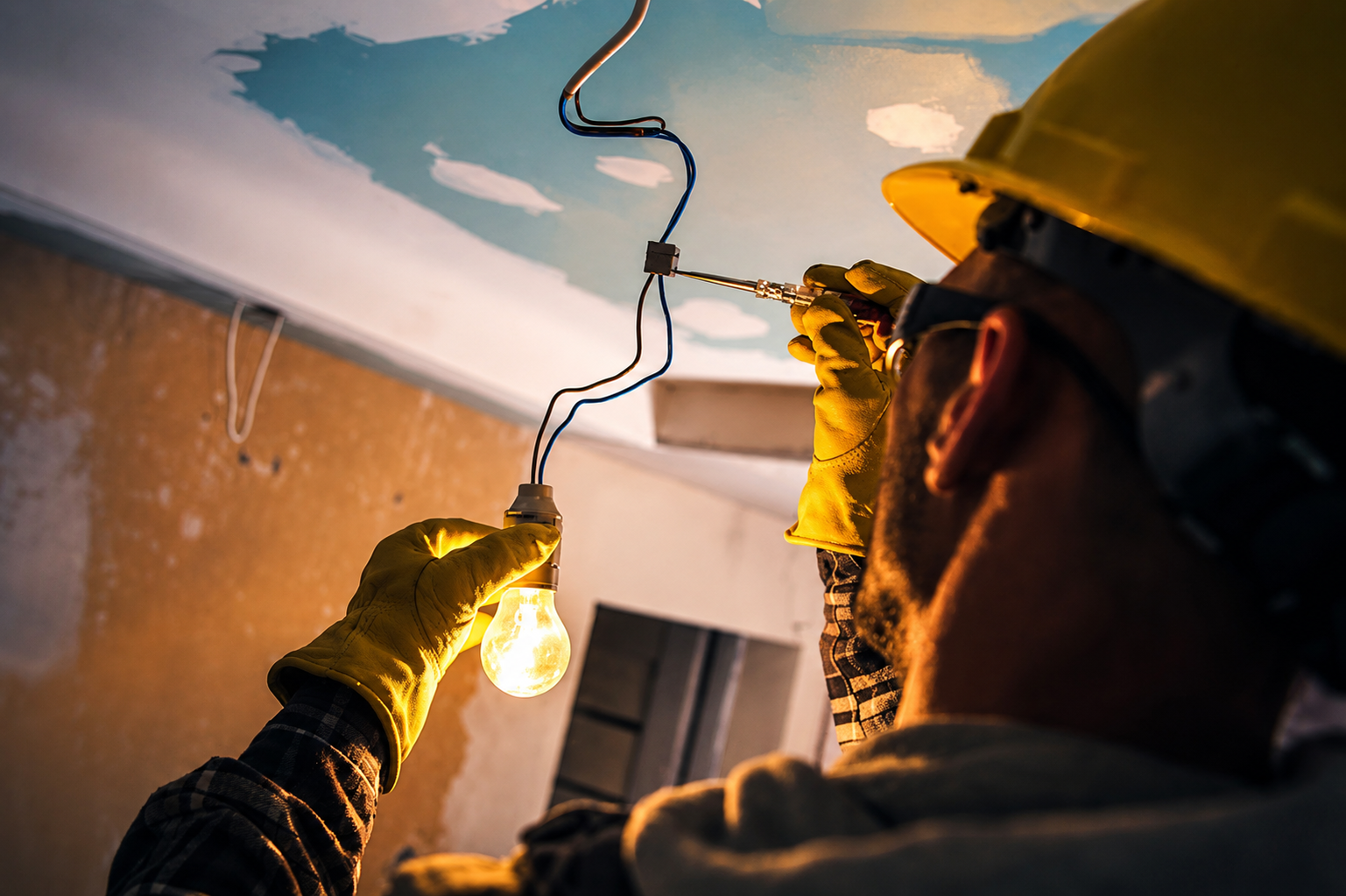
Electrical work should be handled by an appropriately qualified professional where electrical safety or wiring is involved.
7. Check Floors and Surface Finishes
Flooring should be inspected for visible damage, loose sections, unusual movement, or deteriorating finishes.
Different flooring materials require different maintenance approaches, but regular visual checks can help identify issues before they become more noticeable.
Furniture movement, moisture, and frequent foot traffic can all affect flooring over time.
8. Inspect Windows and Fixtures
Windows should open and close properly, while handles and other fittings should remain secure.
Check for:
- Loose handles
- Damaged fittings
- Sticking windows
- Visible frame damage
- Problems with opening or closing
Small adjustments or repairs can help maintain everyday functionality.
9. Create a Monthly Maintenance Routine
Busy homeowners can make maintenance easier by assigning a small amount of time each month to property checks.
A simple monthly routine can include:
Week 1: Doors, handles, hinges, and cabinets
Week 2: Walls, ceilings, and visible surfaces
Week 3: Plumbing fixtures and moisture-prone areas
Week 4: Furniture, windows, lighting, and general fittings
This approach spreads maintenance tasks across the month rather than requiring everything to be checked at once.
10. Keep a Maintenance Record
A simple maintenance record can help homeowners remember when specific tasks were completed.
The record can include:
| Maintenance Item | Date Checked | Issue Found | Action Required |
|---|---|---|---|
| Doors & Handles | — | — | — |
| Plumbing Fixtures | — | — | — |
| Walls & Ceilings | — | — | — |
| Furniture | — | — | — |
| Cabinets | — | — | — |
| Windows | — | — | — |
| Lighting | — | — | — |
Keeping these records can also make it easier to identify recurring problems.
11. Prioritize Repairs
Not every maintenance issue needs to be handled at the same time. Homeowners can prioritize tasks based on safety, functionality, urgency, and potential for further damage.
For example:
High Priority: Active leaks, unsafe fittings, damaged electrical components, or doors that cannot function properly.
Medium Priority: Loose handles, damaged furniture fittings, cabinet problems, or minor surface deterioration.
Low Priority: Cosmetic improvements and small appearance-related adjustments.
Prioritizing tasks can help busy homeowners manage maintenance without becoming overwhelmed.
12. Know When to Get Professional Help
Some property maintenance tasks are straightforward, while others require proper tools, experience, or technical knowledge.
Professional handyman services can assist with a range of general repairs, maintenance tasks, fixture and fitting installations, furniture assembly, door and fixture requirements, and property improvement work.
Instead of allowing several small tasks to accumulate, homeowners can create a list and arrange suitable professional support when required.
For property repair and maintenance assistance, visit https://www.singcons.com/handyman.php.
Common Property Maintenance Mistakes
Ignoring Small Problems
Small issues can become more difficult to manage when they remain unattended for long periods.
Trying Every Repair Yourself
Not every maintenance task is suitable for DIY work. Electrical, plumbing, structural, or technically complex problems may require professional attention.
Not Keeping Track of Repairs
Without a maintenance record, homeowners may forget recurring issues or when particular tasks were last completed.
Focusing Only on Appearance
Property maintenance should consider functionality and safety as well as appearance.
Waiting Until Something Breaks
Preventive checks can help identify visible problems before they develop into larger maintenance requirements.
A Simple Property Maintenance Checklist
Busy homeowners can use the following checklist as a quick reference:
- Check doors and handles
- Inspect hinges and locks
- Look for wall and ceiling damage
- Check visible plumbing fixtures
- Inspect cabinets and drawers
- Check furniture fittings
- Review windows and handles
- Inspect flooring
- Check lighting fixtures
- Look for signs of moisture
- Record maintenance issues
- Prioritize necessary repairs
- Arrange professional assistance where required
Frequently Asked Questions
How often should homeowners check their property?
A basic monthly inspection can help identify common maintenance issues. More detailed inspections can be scheduled quarterly or whenever noticeable changes occur.
What should be checked during routine maintenance?
Doors, handles, hinges, walls, ceilings, plumbing fixtures, furniture, cabinets, windows, flooring, and visible fittings are useful areas to include in a routine checklist.
Can a handyman help with property maintenance?
Yes. Handyman services can cover various general repairs, maintenance, installations, furniture assembly, door and fixture work, and property improvement tasks.
Should every maintenance issue be repaired immediately?
The priority depends on the type and severity of the issue. Safety-related and active damage should generally receive prompt attention, while minor cosmetic tasks can be scheduled.
Conclusion
A property maintenance checklist can make routine home upkeep easier for busy homeowners. Regularly checking doors, fixtures, walls, plumbing areas, furniture, cabinets, windows, and other commonly used components can help identify problems early and keep the property functional.
The key is consistency. Small maintenance checks performed regularly are easier to manage than dealing with a long list of accumulated repairs.
When a task requires professional tools, experience, or technical knowledge, arranging suitable handyman support can help ensure the work is completed properly. To explore professional repair, installation, and property maintenance solutions, visit https://www.singcons.com/handyman.php.
Need to Transform Your Property Maintenance?
If several small repairs or maintenance tasks have been building up, create a prioritized checklist and address them one by one. Professional handyman support can help with general repairs, installations, maintenance, furniture assembly, doors, fixtures, and other property improvement requirements.