Introduction
Interior paint plays an important role in creating a clean, attractive, and welcoming environment. Whether it is a home, office, retail store, or commercial building, well-maintained painted surfaces contribute to the overall appearance of the space. However, daily activities, dust, moisture, accidental scratches, and regular wear can gradually affect the look of painted walls.
Regular paint maintenance helps preserve colour, reduce visible marks, and keep interior surfaces looking fresh for longer. Simple practices such as gentle cleaning, timely touch-ups, and routine inspections can help prevent minor imperfections from becoming larger problems.
Understanding how to care for painted surfaces allows property owners and businesses to protect their investment and maintain a presentable interior.
What Is Interior Paint Maintenance?
Interior paint maintenance involves the regular cleaning, inspection, repair, and care of painted walls, ceilings, doors, and trims. Its purpose is to preserve the appearance of painted surfaces and identify damage before it requires extensive repair or repainting.
Maintenance requirements depend on the paint finish, surface condition, room usage, and environmental factors. For example, corridors and reception areas may need more frequent attention than rooms with limited activity.
Businesses and property owners can explore painting services at https://www.singcons.com/painting.php for professional painting-related requirements.
Why Regular Paint Maintenance Matters
Painted surfaces are exposed to everyday wear that can gradually reduce their visual appeal. Regular maintenance helps manage these changes and keeps interiors looking well cared for.
Key benefits include:
- Preserves Appearance: Helps maintain the original colour and finish of interior walls.
- Controls Minor Damage: Addresses small scratches, scuffs, and chips before they become more noticeable.
- Supports Cleanliness: Removes accumulated dust and suitable surface stains.
- Reduces Unnecessary Repainting: Timely care may delay the need for a complete repaint when damage is minor.
- Protects Property Value: Well-maintained interiors contribute to a positive impression of a property.
- Improves Professional Presentation: Clean, consistent walls create a more welcoming environment for employees, customers, and visitors.
1. Clean Painted Walls Regularly
Dust and everyday marks can gradually affect the appearance of interior walls. Regular dusting with a soft cloth or suitable duster helps prevent buildup.
For washable paint finishes, use a slightly damp microfiber cloth and a mild cleaning solution if recommended by the paint manufacturer. Avoid excessive water, abrasive pads, and harsh chemicals that may damage the finish.
Always test the cleaning method on a small, inconspicuous area first. Different paint finishes respond differently to cleaning, so using the correct method is important.
2. Address Scuffs and Scratches Early
Furniture movement, footwear, bags, and everyday contact can leave marks on painted walls. Small scuffs and scratches are easier to manage when they are identified early.
Begin by gently cleaning the affected area. If the mark remains or the paint is chipped, a suitable touch-up may be required.
Use matching paint whenever possible, including the correct colour and finish. If touch-ups remain visibly different because the existing paint has faded, repainting a larger section may provide a more consistent appearance.
3. Inspect Walls for Peeling and Cracks
Regularly examine painted surfaces for peeling, flaking, bubbling, cracks, and discolouration. These signs may indicate surface damage, poor adhesion, moisture intrusion, or movement in the underlying material.
Do not simply paint over persistent dampness or recurring peeling. Identify and address the underlying cause before repairing the surface and applying new paint.
Early inspection can help prevent cosmetic issues from developing into more extensive repair work.
4. Control Moisture and Improve Ventilation
Excess moisture can damage interior paint and contribute to bubbling, peeling, stains, and mould growth. Kitchens, bathrooms, utility areas, and spaces with limited ventilation may require additional attention.
Use suitable ventilation, address plumbing leaks promptly, and investigate recurring damp patches. Allow affected surfaces to dry properly before repainting.
Where mould or persistent moisture is present, resolve the source of the problem and follow appropriate remediation procedures rather than covering it with fresh paint.
5. Protect High-Traffic Areas
Hallways, entrances, staircases, reception areas, and office corridors often experience more frequent contact than other interior spaces.
Protecting these areas with suitable finishes, careful furniture placement, and regular cleaning can help maintain a consistent appearance. In areas that require frequent cleaning, choose paint products designed for the expected level of wear.
A practical maintenance schedule should prioritize areas where marks and surface damage are most likely to occur.
6. Schedule Timely Paint Touch-Ups
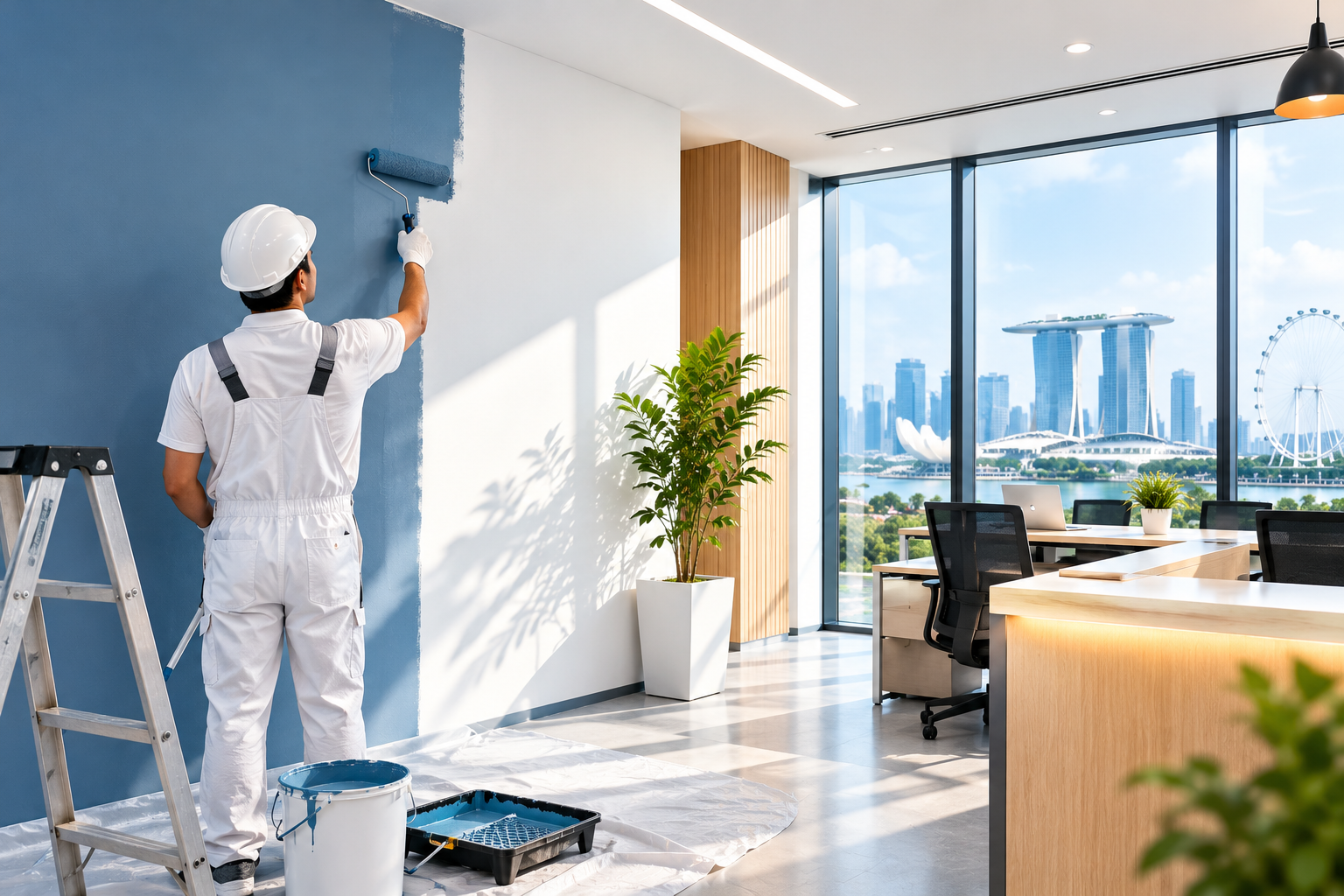
Touch-ups can restore the appearance of small damaged areas without requiring an entire room to be repainted. They are particularly useful for isolated chips, nail holes, and minor scratches.
For better results:
- Clean and dry the affected surface.
- Repair small holes or imperfections where necessary.
- Prepare the area according to the paint manufacturer's instructions.
- Use paint that matches the original colour and finish.
- Apply the paint carefully and allow sufficient drying time.
If the wall has extensive damage, fading, or multiple visible patches, repainting the entire wall may produce a more uniform result.
7. Choose Suitable Paint for Each Room
Different rooms have different maintenance requirements. A busy office, a living room, and a kitchen may require different paint finishes depending on cleaning frequency, moisture exposure, and the type of activity taking place.
Washable and durable finishes can be useful in high-contact areas, while other finishes may be suitable for spaces where a softer appearance is preferred.
Selecting the appropriate paint before the project begins can make ongoing maintenance easier and help preserve the intended appearance.
8. Create a Regular Paint Maintenance Schedule
A planned maintenance routine makes it easier to identify problems and keep painted surfaces in good condition.
A simple schedule can include:
- Monthly: Check high-traffic areas for dust, marks, and scuffs.
- Every Few Months: Inspect walls, ceilings, and trims for damage or discolouration.
- As Needed: Clean suitable stains and repair minor surface imperfections.
- Periodically: Assess whether fading, peeling, or widespread damage requires professional attention.
The exact frequency should depend on the condition of the property, room usage, paint type, and environmental exposure.
Common Paint Maintenance Mistakes to Avoid
Some maintenance practices can unintentionally damage painted surfaces. Avoid these common mistakes:
- Using abrasive cleaning tools that scratch or dull the paint.
- Applying excessive water to finishes that are not designed for washing.
- Using mismatched paint for visible touch-ups.
- Painting over damp walls without addressing the source of moisture.
- Ignoring recurring peeling, cracks, or bubbling.
- Repainting without properly preparing the surface.
- Waiting until minor damage becomes widespread before taking action.
Following suitable cleaning and repair methods can help preserve the quality and appearance of interior paintwork.
FAQs
1. How often should interior painted walls be cleaned?
The frequency depends on room usage and the type of paint finish. High-traffic areas may need more frequent cleaning, while less-used rooms may only require occasional dusting and spot cleaning.
2. How can I remove marks from painted walls?
Start with a soft cloth and gentle cleaning method suitable for the paint finish. Test the method in an inconspicuous area before treating the visible mark.
3. Can regular paint maintenance delay repainting?
Yes. Routine cleaning, timely touch-ups, and early repairs can help maintain the appearance of painted surfaces and may delay repainting when the existing coating remains in good condition.
4. What causes interior paint to peel or bubble?
Common causes include moisture, inadequate surface preparation, poor adhesion, and unsuitable application conditions. The underlying cause should be corrected before repainting.
5. When should interior walls be professionally repainted?
Professional repainting may be appropriate when walls show widespread fading, peeling, extensive stains, repeated patch repairs, or damage that cannot be corrected with minor touch-ups.
6. Why is surface preparation important before repainting?
Proper preparation helps remove dirt and loose paint, correct surface imperfections, and improve the adhesion and appearance of the new coating.
Conclusion
Regular paint maintenance is an effective way to preserve interior appearance and keep residential and commercial spaces looking clean and presentable. Gentle cleaning, timely touch-ups, moisture control, and routine inspections help manage everyday wear and identify potential problems early.
By selecting suitable paint finishes and addressing damage before it spreads, property owners can maintain more consistent surfaces and make informed decisions about repairs and repainting. Consistent care helps protect the value and visual appeal of interior spaces over time.
Need to Transform Your Interior Space?
Give your interiors a refreshed and well-maintained appearance with suitable painting solutions, careful surface preparation, and professional attention to detail.
Explore https://www.singcons.com/painting.php to learn more about painting services for your property.
Visit Website
Discover Singcons painting services and explore solutions for maintaining and improving interior spaces.