
Introduction
Relocating an office or commercial space requires careful planning, especially when reinstatement work must be completed before the lease ends or the property is handed back to its owner. Coordinating reinstatement with a moving schedule helps businesses manage dismantling, repairs, cleaning, and final inspections without unnecessary delays.
A well-organized plan ensures that furniture, equipment, and essential business assets are moved at the right time while reinstatement activities progress according to the agreed handover requirements. Businesses can also explore professional solutions at https://www.singcons.com/reinstatement.php.
What Is Reinstatement Work?
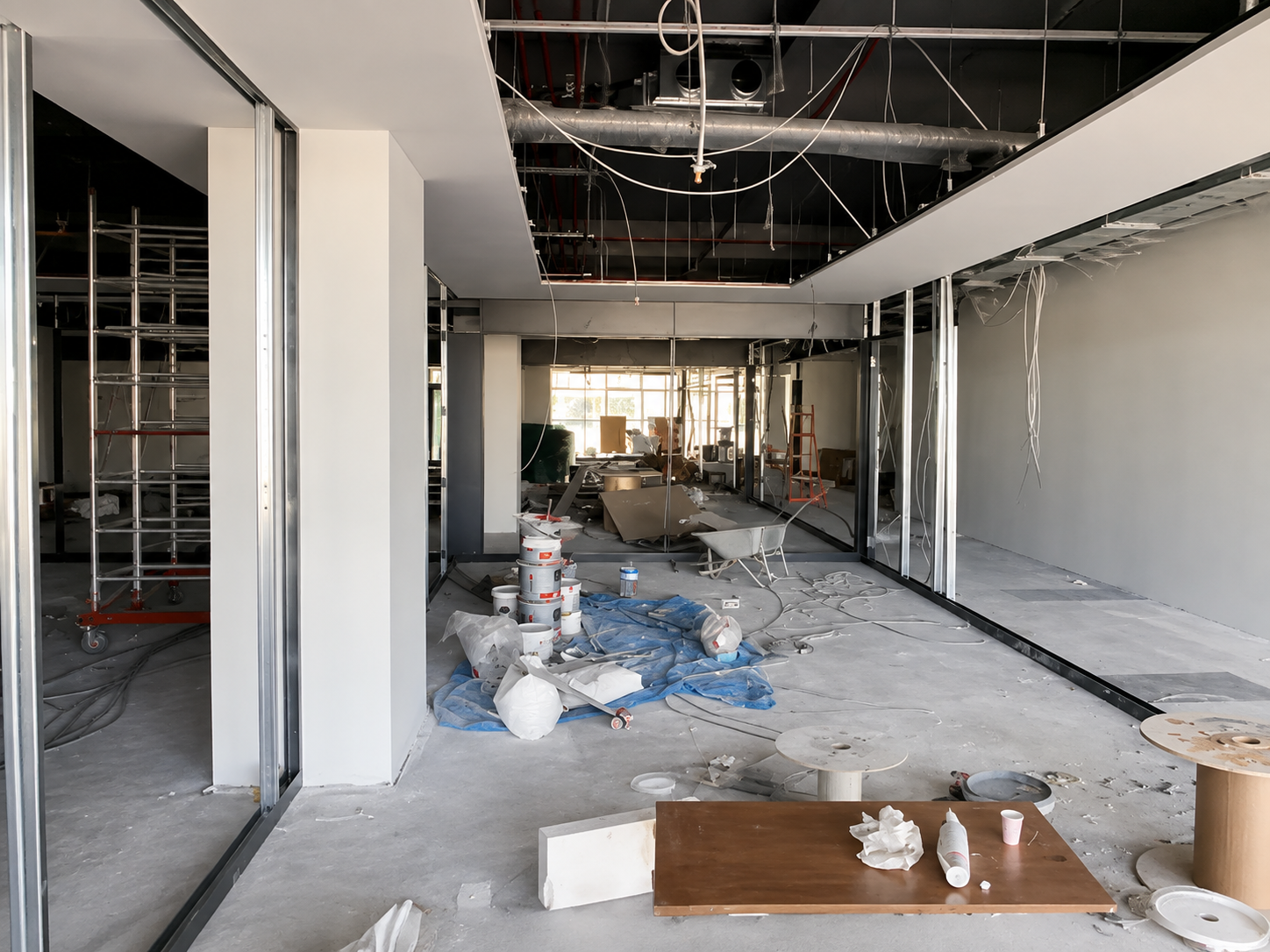
Reinstatement work involves restoring a leased office or commercial property to the condition specified in the lease agreement or handover requirements. Depending on the property, this may include removing partitions, dismantling fixtures, restoring ceilings and flooring, repairing walls, repainting surfaces, and completing final cleaning.
Coordinating these activities with relocation is important because certain areas must be cleared before contractors can begin their work. Understanding the scope of reinstatement early helps businesses plan their move more efficiently.
Steps to Coordinate Reinstatement With a Moving Schedule
1. Review Lease and Handover Requirements
Begin by reviewing the lease agreement and confirming the property's required handover condition. Identify which installations must be removed, which surfaces need restoration, and the deadline for returning the premises.
A clear checklist helps prevent unexpected work near the end of the lease period.
2. Prepare a Detailed Moving Timeline
Create a timeline that includes packing, equipment removal, furniture transportation, reinstatement activities, cleaning, and final inspection. Assign deadlines to each stage and identify tasks that depend on other activities being completed first.
Allow additional time for unexpected repairs or changes in contractor availability.
3. Coordinate Movers and Contractors
Communication between the moving company, reinstatement contractor, building management, and internal staff is essential. Confirm access arrangements, loading bay availability, working hours, lift bookings, and site restrictions before work begins.
For professional assistance with property restoration, visit https://www.singcons.com/reinstatement.php.
4. Prioritize Areas According to Moving Needs
Plan which rooms or sections will be cleared first. Once furniture and equipment have been removed from an area, reinstatement work can begin without interfering with relocation activities.
For larger offices, a phased approach may help teams continue operating in other areas while selected sections are being cleared and restored.
5. Protect Equipment and Building Features
Before dismantling begins, identify valuable equipment, sensitive documents, electrical connections, and reusable fixtures. Label items carefully and coordinate their removal to avoid damage or confusion.
Contractors should also protect surfaces and shared building areas during dismantling and transportation.
6. Schedule Repairs, Cleaning, and Inspection
After dismantling and removal, arrange the required repairs, painting, flooring restoration, and final cleaning. Schedule a walkthrough before the official handover date so that outstanding issues can be identified and addressed.
Keep photographs, checklists, and relevant completion records to support the handover process.
Common Challenges During Relocation and Reinstatement
Businesses may face delays when movers and contractors require access to the same areas, when dismantling reveals hidden damage, or when the scope of work changes after the initial inspection.
Other challenges include restricted building access, disposal requirements, equipment handling, and limited time between moving out and the final handover.
These risks can be reduced through early site assessments, clearly assigned responsibilities, regular progress updates, and realistic scheduling.
Benefits of Proper Coordination
Coordinating reinstatement with a moving schedule offers several advantages:
- Better control over relocation deadlines.
- Reduced conflicts between movers and contractors.
- More organized dismantling and restoration.
- Improved protection of furniture and equipment.
- Faster identification of outstanding work.
- A smoother property handover process.
Professional planning also helps businesses manage resources and avoid unnecessary last-minute pressure.
Frequently Asked Questions (FAQs)
1. What is reinstatement work during office relocation?
Reinstatement work involves restoring a leased office or commercial property to the condition required by the lease agreement before handing it back to the landlord.
2. When should reinstatement work be scheduled during a move?
Reinstatement planning should begin several weeks before the moving date. Actual work can start as individual areas are cleared of furniture, equipment, and other belongings.
3. How can businesses avoid delays during reinstatement?
Businesses can avoid delays by preparing a detailed timeline, confirming contractor availability, reviewing handover requirements, and coordinating regularly with movers and building management.
4. Can moving and reinstatement work happen simultaneously?
Yes. A phased approach allows movers to clear one area while contractors begin reinstatement in another, provided site access, safety, and building rules permit it.
5. What tasks are commonly included in reinstatement work?
Common tasks include dismantling partitions, removing fixtures, repairing walls, restoring ceilings and flooring, repainting, and completing final cleaning, depending on the lease requirements.
6. Why is a final inspection important before handover?
A final inspection helps identify incomplete repairs, cleaning issues, and other outstanding requirements before the property is returned to the landlord.
7. Where can businesses find reinstatement services?
Businesses can explore reinstatement services at https://www.singcons.com/reinstatement.php to learn more about property restoration and handover preparation.
Conclusion
Coordinating reinstatement with a moving schedule requires clear communication, a realistic timeline, and careful management of each stage of the relocation. By reviewing handover requirements early, arranging contractor access, clearing areas systematically, and scheduling final inspections, businesses can make the transition more organized and efficient.
For professional support with dismantling, repairs, restoration, and property handover preparation, visit https://www.singcons.com/reinstatement.php.