Introduction
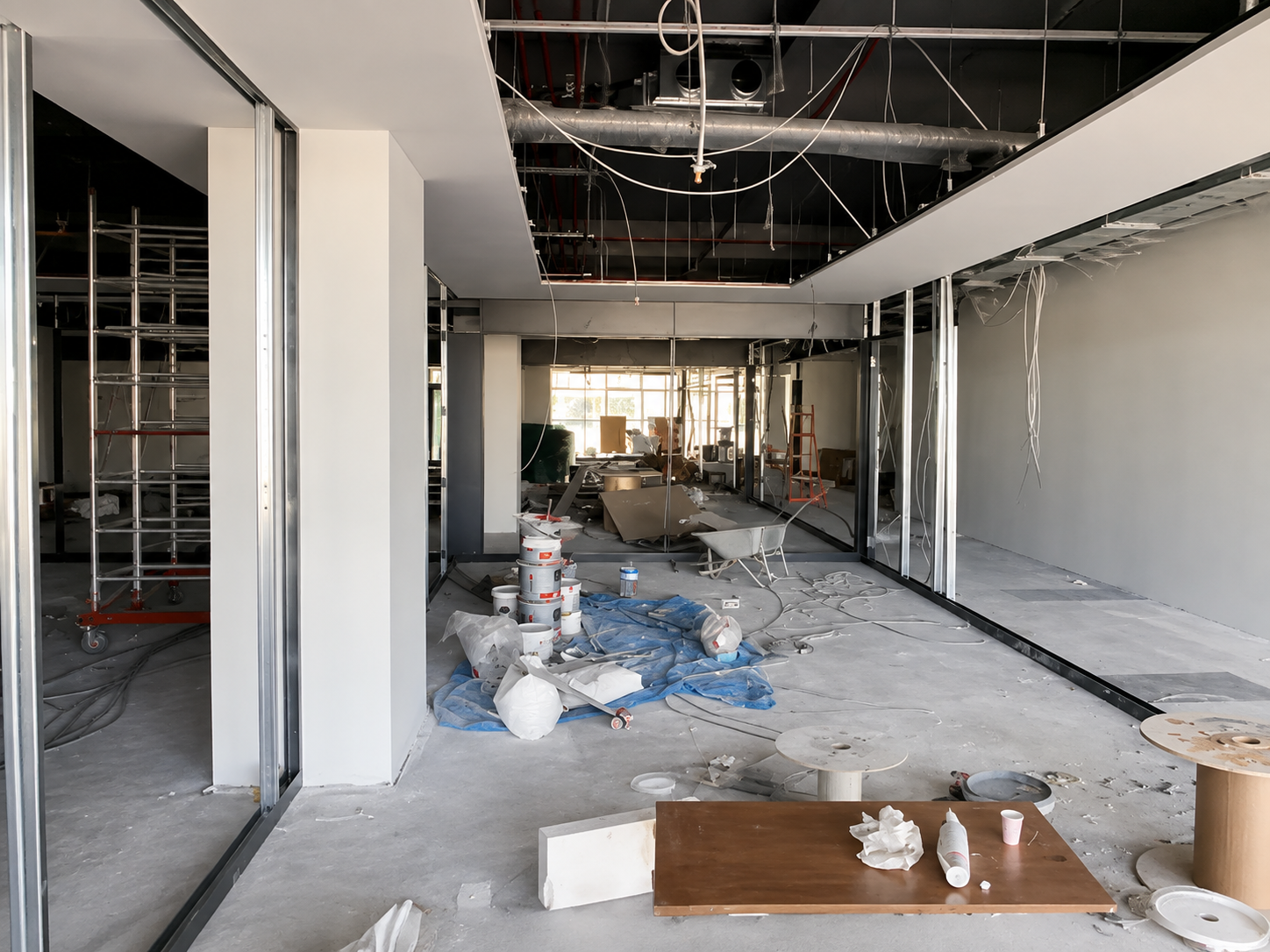
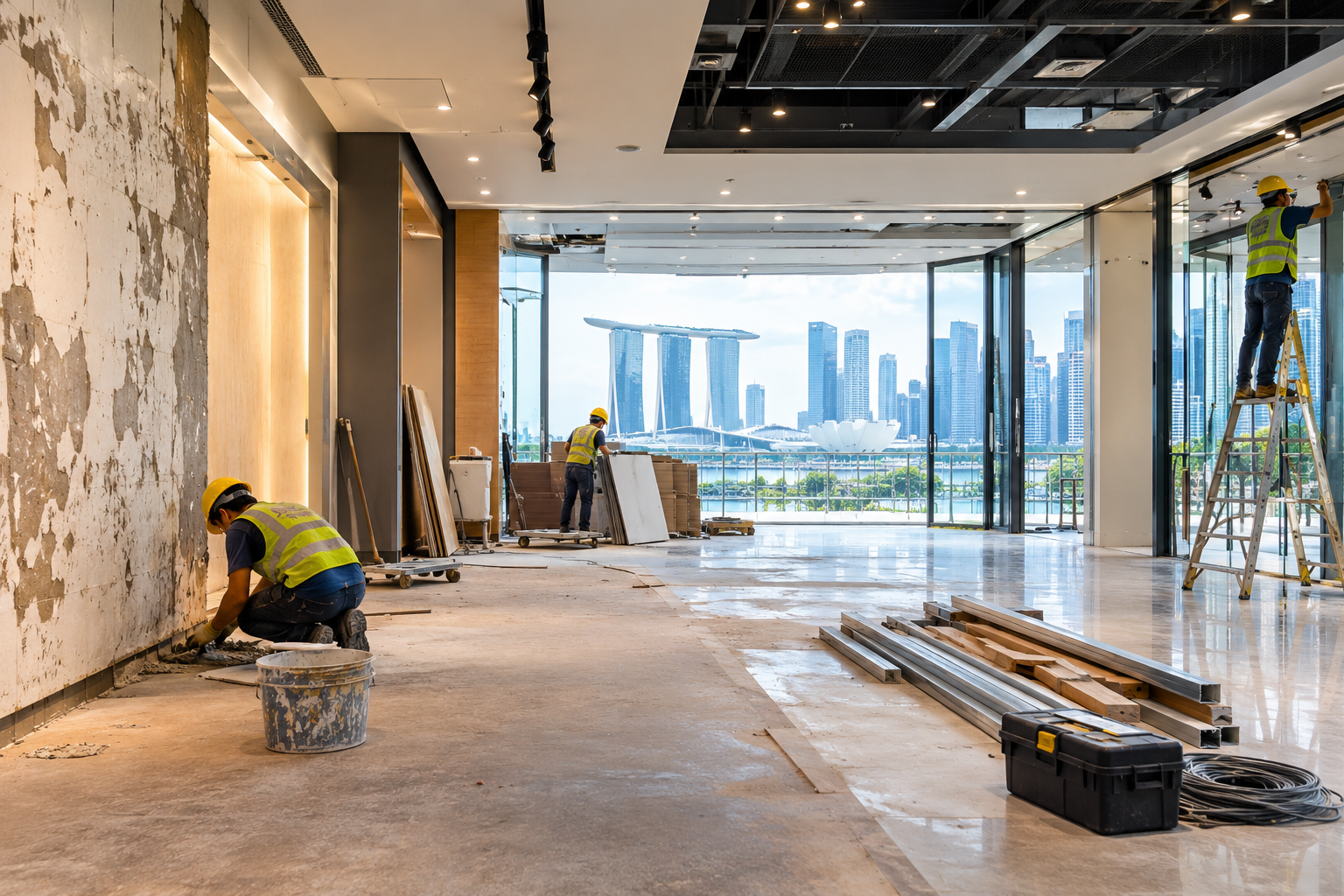
Retail reinstatement is an important part of closing, relocating, or handing over a commercial retail space. When a lease ends, tenants may need to restore the premises to its original condition according to the landlord's requirements and lease agreement. Proper planning helps businesses avoid unnecessary delays, reduce additional costs, and ensure a smooth handover.
From removing fixtures and repairing surfaces to coordinating contractors and completing final inspections, every stage of the reinstatement process requires careful attention. Preparing in advance allows retailers to meet their contractual obligations while minimizing disruption.
What Is Retail Reinstatement?
Retail reinstatement refers to the process of returning a retail unit to the condition specified in the tenancy agreement before handing it back to the landlord. Depending on the lease terms, this may involve removing shop fittings, dismantling partitions, restoring flooring, repairing walls, and reinstating electrical or mechanical installations.
The exact requirements vary by property and lease agreement. Retailers should review their reinstatement obligations early to understand the scope of work, required approvals, and expected handover date.
For professional reinstatement support, visit:
https://www.singcons.com/reinstatement.php
1. Review the Lease Agreement and Handover Requirements
The first step is to understand the reinstatement conditions outlined in the lease agreement. Some landlords require the removal of tenant-installed fixtures, while others may request specific repairs or restoration work.
Review the agreement carefully and confirm the following:
- Which fixtures, fittings, and partitions must be removed.
- Whether flooring, ceilings, and walls need restoration.
- Requirements for electrical, plumbing, and air-conditioning systems.
- Inspection procedures and handover documentation.
- The deadline for completing reinstatement work.
Clarifying these requirements at the beginning helps prevent misunderstandings and costly last-minute changes.
2. Conduct a Detailed Site Inspection
A site inspection helps identify the work needed to prepare the retail space for handover. Examine walls, floors, ceilings, doors, lighting systems, and existing installations to determine their condition.
Take photographs of the premises and document visible damage, modifications, and tenant-installed features. Compare the current condition with available handover records or the original condition report.
A detailed inspection creates a clearer scope of work and helps contractors estimate the resources, materials, and time required for reinstatement.
3. Create a Realistic Reinstatement Schedule
Retail handovers often involve strict deadlines, particularly in shopping malls and commercial buildings. Delays can affect lease closure, security deposit recovery, and the opening schedule of the next tenant.
Prepare a project timeline that includes contractor appointments, material removal, repair work, waste disposal, inspections, and final cleaning.
Allow additional time for unexpected repairs, building management approvals, and restricted working hours. Coordinating the schedule in advance reduces the risk of rushed work and missed deadlines.
4. Plan the Removal of Retail Fixtures and Fittings
Retail spaces often contain customized shelving, display counters, signage, lighting fixtures, storage units, and decorative installations. These items may need to be removed before the premises can be handed back.
Identify which items must be dismantled and which can remain, based on the landlord's instructions. Arrange suitable tools, labour, transportation, and disposal services.
Electrical equipment and fixed installations should be handled by qualified professionals where required. Careful dismantling also helps prevent unnecessary damage to the existing structure.
5. Restore Walls, Flooring, and Ceilings
After fixtures and fittings have been removed, the underlying surfaces may require repair. Common reinstatement activities include filling holes, repairing damaged plaster, removing adhesive residue, restoring flooring, and replacing damaged ceiling panels.
The restoration method should match the property's requirements and the condition specified in the lease agreement.
Before starting, confirm the required finishes and materials with the landlord or building management. Completing these repairs systematically helps create a clean, presentable space for the final inspection.
6. Check Electrical, Plumbing, and Mechanical Systems
Retail reinstatement may involve modifying or removing installations added during the tenancy. These can include additional lighting, power outlets, water connections, air-conditioning modifications, and other mechanical or electrical equipment.
Review the scope with qualified contractors and determine which installations must be removed, retained, or restored.
Ensure that any necessary isolation, testing, or reinstatement work follows applicable safety requirements. Proper coordination helps avoid damage, safety issues, and delays during the handover process.
7. Coordinate with Building Management and Contractors
Communication is essential when reinstatement takes place in a shopping centre or commercial building. Building management may impose requirements relating to contractor registration, work permits, loading access, noise restrictions, waste disposal, and working hours.
Confirm these requirements before work begins. Share the schedule with contractors and assign clear responsibilities for each activity.
Regular progress checks help identify problems early and keep the reinstatement project aligned with the agreed completion date.
8. Manage Construction Waste and Site Cleanliness
Removing fixtures, partitions, flooring, and other materials can generate substantial waste. Poor waste management may create safety risks, block access routes, and delay inspections.
Arrange appropriate waste collection and disposal services, and keep work areas organized throughout the project. Once the reinstatement work is complete, remove leftover materials, dust, and debris.
A clean and orderly retail unit makes the final inspection easier and demonstrates that the premises have been prepared for handover.
9. Conduct a Final Inspection Before Handover
Before returning the premises, conduct a thorough inspection against the agreed reinstatement requirements.
Check that required fixtures have been removed, surfaces have been restored, installations have been addressed, and the site has been cleaned. Prepare photographs and other records to document the completed work.
Where possible, arrange a joint inspection with the landlord or building management. Address any outstanding issues promptly to reduce the likelihood of repeat inspections and additional costs.
10. Prepare the Required Handover Documents
Documentation provides evidence that the reinstatement work has been completed and the premises are ready for return.
Depending on the property requirements, prepare:
- Before-and-after photographs.
- Completed inspection checklists.
- Records of repairs and reinstatement activities.
- Relevant electrical or mechanical testing documents.
- Waste disposal records, where required.
- Keys, access cards, and other handover items.
Keep copies of relevant approvals and communications to support a clear handover process.
Common Retail Reinstatement Mistakes to Avoid
Retailers can experience unnecessary expenses and delays when reinstatement planning begins too late. Avoid these common mistakes:
- Overlooking specific lease reinstatement clauses.
- Starting work without confirming landlord requirements.
- Underestimating contractor schedules and removal time.
- Failing to obtain necessary building permits.
- Removing installations that were permitted to remain.
- Ignoring surface repairs and final cleaning.
- Leaving inspections and documentation until the last minute.
Early preparation, clear communication, and regular quality checks can help prevent these issues.
Frequently Asked Questions (FAQs)
1. What is retail reinstatement?
Retail reinstatement is the process of restoring a retail unit to the condition required by the landlord or tenancy agreement before handing back the premises.
2. When should retailers start planning reinstatement work?
Retailers should begin planning several weeks or months before the lease ends, depending on the size of the premises, the scope of work, and the building management requirements.
3. What work is usually included in retail reinstatement?
Common tasks include removing shop fixtures, dismantling partitions, repairing walls and flooring, addressing electrical installations, removing waste, and completing final cleaning.
4. Why is a site inspection important before reinstatement?
A site inspection identifies existing damage, tenant-installed fixtures, and restoration requirements. It also helps contractors estimate costs and prepare a realistic work schedule.
5. How can businesses avoid delays during retail handover?
Businesses can reduce delays by reviewing lease obligations early, obtaining required approvals, coordinating contractors, scheduling inspections, and preparing handover documents in advance.
6. Do all retail spaces require the same reinstatement work?
No. The scope depends on the lease agreement, the original condition of the premises, modifications made during the tenancy, and the landlord's specific requirements.
7. Why should businesses hire professional reinstatement contractors?
Professional contractors can help coordinate dismantling, repairs, restoration, waste removal, and project scheduling to support a safer and more organized handover.
Conclusion
Preparing a retail space for reinstatement requires careful planning, clear coordination, and attention to the lease agreement. By reviewing handover requirements, inspecting the premises, scheduling contractors, restoring affected surfaces, and completing a final inspection, retailers can make the process more efficient and predictable.
Starting early is the key to avoiding unnecessary delays and ensuring that the premises meet the agreed handover conditions.
For professional assistance with commercial reinstatement and retail handover preparation, visit:
https://www.singcons.com/reinstatement.php
Need to Transform Your Retail Space?
Preparing a retail unit for handover can be challenging without proper planning and experienced support. From removing fixtures and restoring surfaces to coordinating contractors and meeting handover requirements, every detail matters.
Singcons provides reinstatement-related services to help businesses manage commercial reinstatement work and prepare their premises for handover.
Visit Website: https://www.singcons.com/reinstatement.php