
Introduction
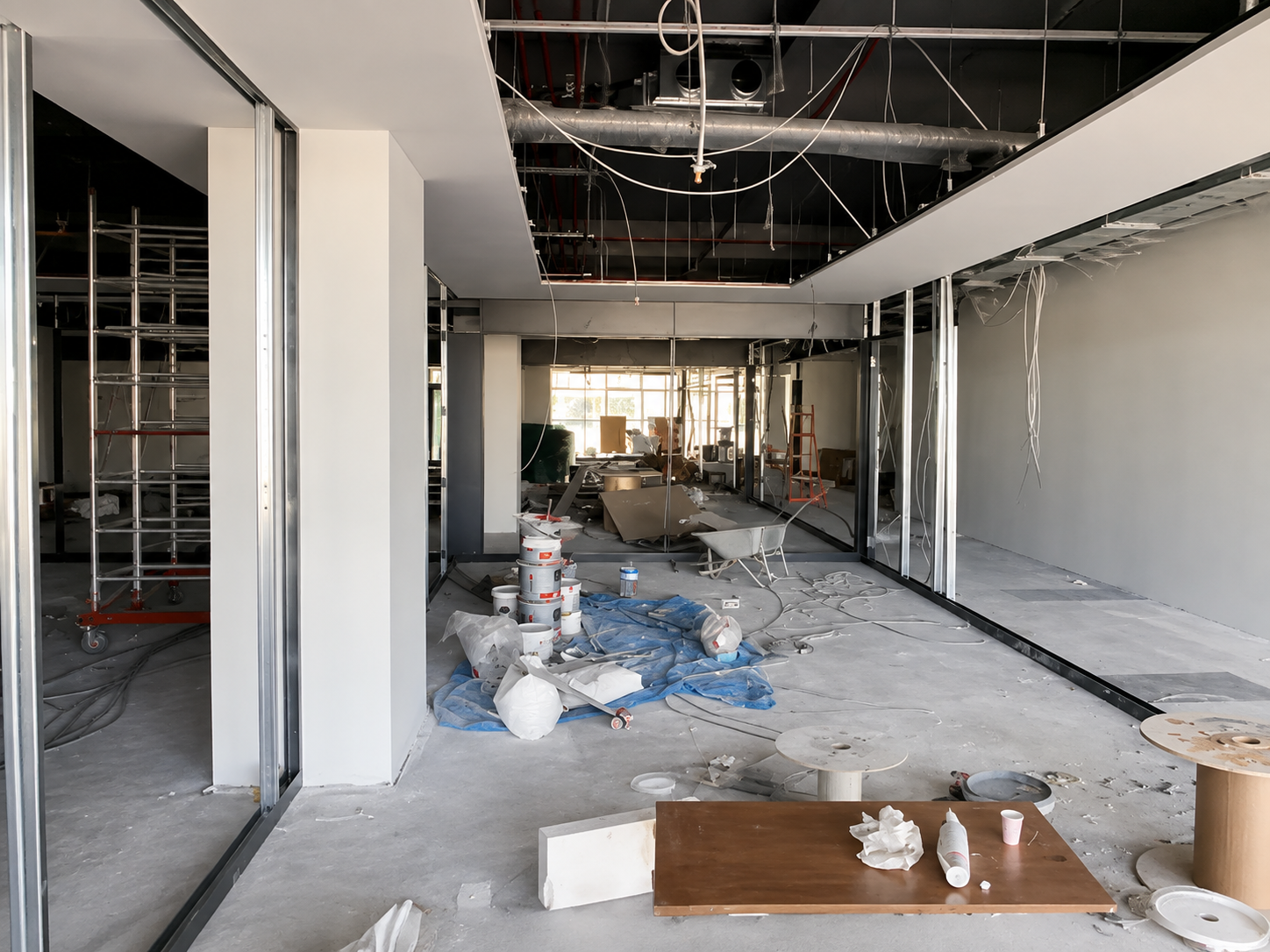
Commercial unit refurbishment involves several construction activities, including dismantling existing structures, removing outdated fixtures, repairing surfaces, replacing flooring, and upgrading interior spaces. These activities often generate different types of construction debris that require proper handling and disposal.
Managing construction waste is an important part of any refurbishment project. Poor waste management can create workplace hazards, delay project activities, increase disposal costs, and affect the surrounding environment. A well-organized debris management process helps maintain a clean worksite and supports efficient project execution.
During commercial property restoration, waste management becomes particularly important because businesses may need to meet specific property handover requirements within a limited timeframe. Professional Reinstatement Work practices help coordinate dismantling, debris removal, surface restoration, and final cleaning.
Understanding effective construction debris management strategies can help property owners, contractors, and facility managers complete refurbishment projects more efficiently.
Why Construction Debris Management Is Important
Effective debris management supports safer construction activities and improves overall refurbishment efficiency.
1. Maintains a Clean and Organized Worksite
Construction materials and waste can quickly accumulate during commercial refurbishment.
Without proper removal, debris may block access routes, restrict movement, and create unnecessary obstacles for workers.
Regular waste collection helps maintain an organized work environment and allows different refurbishment activities to continue smoothly.
2. Improves Workplace Safety
Unmanaged construction debris can create several safety risks, including sharp objects, unstable material piles, broken glass, and trip hazards.
Separating waste materials and maintaining designated storage areas helps reduce these risks.
Workers should also use suitable personal protective equipment when handling construction debris.
3. Supports Environmental Responsibility
Construction activities generate materials that may be suitable for recycling or reuse.
Separating recyclable materials such as metal, cardboard, wood, and certain construction materials helps reduce unnecessary landfill disposal.
Responsible waste handling also supports more sustainable refurbishment practices.
4. Prevents Project Delays
Accumulated debris can interfere with dismantling, repair, installation, and finishing activities.
A planned waste removal schedule ensures that unwanted materials are cleared at appropriate stages of the project.
This helps contractors maintain an organized workflow and complete refurbishment activities more efficiently.
5. Helps Control Project Costs
Poor waste management can increase labour requirements, transportation expenses, and disposal costs.
Proper waste segregation and collection planning help businesses manage resources more effectively and avoid unnecessary handling.
Effective Strategies for Managing Construction Debris
Commercial refurbishment projects require a structured approach to waste management. The following strategies can help contractors maintain better control over construction debris.
1. Conduct a Pre-Refurbishment Site Assessment
Before starting refurbishment work, contractors should inspect the commercial unit and identify the materials that need to be removed.
The assessment should consider:
- Existing partitions and ceiling installations.
- Flooring and wall finishes.
- Electrical fixtures and fittings.
- Plumbing installations.
- Furniture and built-in cabinets.
- Potentially hazardous or restricted materials.
This assessment helps estimate the expected waste volume and determine the equipment, labour, and collection arrangements required.
2. Segregate Waste Materials at the Source
Mixing different types of construction debris makes recycling, transportation, and disposal more complicated.
Contractors should establish separate collection areas for materials such as wood, metal, concrete, cardboard, and general waste.
Proper segregation offers several advantages:
- Makes recycling easier.
- Reduces contamination between waste categories.
- Improves material handling.
- Supports organized disposal.
- Reduces unnecessary transportation.
Clearly labelled containers and designated collection points can make waste segregation easier for workers.
3. Create a Scheduled Debris Removal Plan
Waste removal should be coordinated with the different stages of refurbishment.
For example, dismantling activities may generate large quantities of waste during the initial phase, while finishing activities may produce smaller amounts of packaging and leftover materials.
A scheduled removal plan should include:
- Collection frequency.
- Temporary waste storage locations.
- Transportation arrangements.
- Waste handling responsibilities.
- Final site clearance requirements.
Regular removal prevents debris from accumulating and affecting other construction activities.
4. Identify Materials Suitable for Reuse and Recycling
Not all construction debris needs to be discarded.
Some materials may be suitable for reuse or recycling, depending on their condition and applicable requirements.
Examples include:
- Metal frames and fittings.
- Reusable wooden components.
- Cardboard packaging.
- Selected glass materials.
- Suitable concrete and masonry waste.
Contractors should identify reusable materials before disposal and arrange appropriate recycling channels.
5. Handle Hazardous Materials Carefully
Certain refurbishment activities may involve materials that require special handling, such as chemical containers, contaminated materials, or suspected asbestos-containing components.
These materials should not be mixed with ordinary construction waste.
Before handling potentially hazardous materials, contractors should identify the risks and engage appropriately qualified professionals for assessment, removal, and disposal in accordance with applicable regulations.
6. Maintain Safe Temporary Waste Storage Areas
Construction debris should be stored in designated areas that do not obstruct emergency exits, walkways, or essential building facilities.
Temporary storage locations should be:
- Clearly identified.
- Properly organized.
- Accessible for collection.
- Protected against unnecessary exposure.
- Suitable for the types of materials being stored.
Safe storage practices help maintain better control over waste throughout the refurbishment process.
7. Coordinate Waste Management With Reinstatement Work
Waste removal is closely connected to commercial reinstatement because dismantling and restoration activities generate different types of debris.
For example, removing existing partitions may produce plasterboard and metal waste, while flooring removal may generate tiles, adhesive residue, and other unwanted materials.
Coordinating debris removal with professional Reinstatement Work helps ensure that dismantling, surface repairs, restoration, and final cleaning are properly organized.
Construction Debris Management During Different Refurbishment Stages
Each stage of commercial refurbishment generates different waste materials. Understanding these stages helps contractors plan appropriate waste management activities.
1. Initial Site Preparation
Before refurbishment begins, the commercial unit may contain old furniture, unwanted equipment, decorative items, and existing fittings.
These materials should be inspected and separated into reusable, recyclable, and disposable categories.
2. Dismantling and Removal
This stage often generates significant construction debris.
Common materials include:
- Removed partitions.
- Ceiling panels.
- Wooden fixtures.
- Metal frames.
- Flooring materials.
- Electrical and plumbing fittings.
Waste should be separated as dismantling progresses rather than allowing it to accumulate throughout the unit.
3. Repair and Restoration
After removal activities, contractors may perform wall repairs, ceiling restoration, plastering, and flooring preparation.
These activities can generate leftover plaster, cement materials, packaging, and damaged surface components.
Regular collection helps maintain a cleaner work area.
4. Installation and Finishing
The installation of new fittings, flooring, partitions, and other interior components may generate packaging waste and leftover materials.
Cardboard, plastic wrapping, and suitable recyclable materials should be collected separately.
5. Final Cleaning and Handover
The final stage involves removing remaining debris, cleaning surfaces, and inspecting the commercial unit.
A proper final clearance ensures that the space is organized and prepared for the required property handover condition.
Businesses planning commercial property restoration can explore professional reinstatement services to understand how dismantling, removal, repairs, and final cleaning can be coordinated.
Common Challenges in Construction Waste Management
Despite proper planning, contractors may encounter several challenges during commercial refurbishment.
Limited Storage Space: Commercial units may have restricted areas for temporary waste storage, making frequent collection necessary.
Mixed Construction Materials: Different materials may become mixed during dismantling, increasing sorting and disposal requirements.
Project Time Constraints: Tight refurbishment schedules can make it difficult to coordinate waste collection with ongoing construction activities.
Unexpected Debris Volumes: Hidden installations or additional removal requirements may generate more waste than initially estimated.
Safety and Handling Requirements: Heavy, sharp, or potentially hazardous materials require suitable handling procedures and equipment.
Addressing these challenges through advance planning, clear responsibilities, and regular site inspections helps improve waste management efficiency.
Frequently Asked Questions (FAQs)
1. What types of debris are generated during commercial unit refurbishment?
Common construction debris includes concrete, tiles, wooden fixtures, metal frames, plasterboard, glass, packaging materials, and general renovation waste.
2. Why is waste segregation important during refurbishment?
Waste segregation makes it easier to identify recyclable materials, organize collection, improve workplace safety, and manage disposal more efficiently.
3. How can contractors reduce construction waste?
Contractors can reduce construction waste through accurate material planning, reuse of suitable components, recycling, proper storage, and controlled dismantling activities.
4. When should construction debris be removed from a commercial unit?
Debris should be collected regularly throughout the refurbishment process, particularly after major dismantling activities and before repair, installation, and final cleaning stages.
5. How is waste management connected to reinstatement work?
Reinstatement work involves removing existing installations and restoring commercial spaces to the required handover condition. Proper debris management supports dismantling, repairs, restoration, and final site clearance.
Conclusion
Managing construction debris is an essential part of successful commercial unit refurbishment. From initial site preparation and dismantling to repairs and final handover, every stage requires proper waste segregation, collection, handling, and disposal.
A structured waste management approach helps improve workplace safety, maintain organized construction sites, reduce unnecessary disposal, and prevent project delays. Coordinating debris removal with reinstatement activities also makes commercial property restoration more efficient.
Businesses planning office or commercial unit restoration can explore professional solutions through Singcons Reinstatement Work.
Visit Website: https://www.singcons.com/reinstatement.php