Introduction
A clean and durable paint finish begins long before the first coat of paint is applied. Whether it is a residential property, commercial building, office, or renovated space, proper wall preparation plays an important role in achieving a smooth and professional appearance.
Walls can contain dust, grease, cracks, uneven patches, moisture, and loose paint. If these problems are not addressed before painting, they may affect paint adhesion, surface appearance, and the durability of the finished coating.
Coating preparation involves inspecting, cleaning, repairing, sanding, and priming wall surfaces before applying paint. Following the correct preparation process helps create a suitable foundation for a consistent and long-lasting finish.
For professional painting services, visit:
https://www.singcons.com/painting.php
Why Wall Preparation Is Important Before Painting
Wall preparation is an essential part of any painting project. Even high-quality paint may not deliver the expected results when applied to an improperly prepared surface.
Proper preparation provides several benefits:
- Better Paint Adhesion: A clean and stable surface helps paint bond more effectively with the wall.
- Smooth Appearance: Repairing cracks and uneven areas helps achieve a more uniform finish.
- Improved Durability: Removing loose materials and addressing surface defects reduces the risk of premature paint failure.
- Consistent Colour: Primer and proper surface preparation help create a more uniform base for paint application.
- Reduced Maintenance: Correct preparation can reduce the need for frequent repairs and repainting.
Professional painting work requires attention to every preparation stage to achieve reliable results.
https://www.singcons.com/painting.php
Step-by-Step Process for Preparing Walls
A systematic preparation process helps ensure that wall surfaces are ready for painting. The exact requirements may vary depending on the wall material, existing coating, and surface condition.
1. Inspect the Wall Surface
The first step is to examine the entire wall for cracks, holes, peeling paint, damp patches, stains, and uneven areas.
Identifying these problems early helps determine the appropriate repair and preparation methods. Moisture-related issues should be investigated and resolved before applying new coatings.
2. Clean the Walls Thoroughly
Dust, grease, dirt, and other contaminants can affect paint adhesion. Walls should be cleaned using suitable cleaning materials and methods according to the surface type.
Areas exposed to grease or heavy dirt may require additional cleaning. After washing, the wall must be allowed to dry completely before moving to the next stage.
3. Remove Loose and Peeling Paint
Old paint that is flaking, bubbling, or poorly attached should be removed carefully. Applying a new coating over unstable paint can cause the fresh finish to peel along with the existing layer.
The surface should be checked again after removing loose material to identify any additional repairs.
4. Repair Cracks and Surface Imperfections
Small holes, cracks, dents, and uneven patches should be repaired using suitable fillers or repair compounds.
Larger defects may require additional treatment depending on their depth and cause. Repair materials should be allowed to dry or cure according to the manufacturer's instructions.
5. Sand the Surface
Sanding helps smooth repaired areas, remove rough edges, and improve surface consistency. It is particularly useful where old coatings have glossy finishes or where filler has been applied.
After sanding, all dust should be removed so that it does not interfere with primer or paint application.
6. Apply Suitable Primer
Primer creates a suitable base for the finishing coat. It can improve adhesion, help seal porous surfaces, and support more consistent paint coverage.
The correct primer should be selected according to the wall material, existing coating, and paint system being used.
7. Perform a Final Surface Inspection
Before painting begins, the prepared wall should be checked for remaining dust, uneven patches, cracks, and moisture.
A final inspection helps confirm that the surface is ready for the selected coating system.
Common Wall Preparation Problems and Their Solutions
Different wall conditions require different preparation methods. Ignoring these issues can affect the quality and lifespan of the finished paintwork.
1. Cracked Wall Surfaces
Cracks can make painted walls appear uneven and may become visible through the new coating. Small surface cracks should be filled with suitable repair materials. Larger or recurring cracks may require further assessment to identify their underlying cause.
2. Dampness and Moisture
Moisture can lead to peeling paint, bubbling, staining, and mould growth. The source of moisture should be identified and corrected before painting. Walls must be sufficiently dry before applying primer or paint.
3. Uneven Wall Texture
Rough patches and inconsistent surfaces can affect the final appearance. Appropriate filling and sanding help create a more uniform base for coating application.
4. Grease and Surface Contamination
Grease, oil, and accumulated dirt can prevent proper paint adhesion. Suitable cleaning methods should be used to remove contaminants before the surface is allowed to dry.
5. Old Paint Residue
Loose or incompatible old coatings can weaken the new paint system. Removing unstable paint and preparing the remaining surface helps improve the reliability of the finish.
Tools and Materials Required for Coating Preparation
Using appropriate tools and materials helps improve preparation quality and work efficiency.
Common materials include:
- Scrapers: Used to remove loose paint and unstable surface materials.
- Sandpaper: Helps smooth rough areas and repaired sections.
- Wall Fillers: Used to repair small cracks, holes, and surface imperfections.
- Cleaning Materials: Help remove dust, grease, and other contaminants.
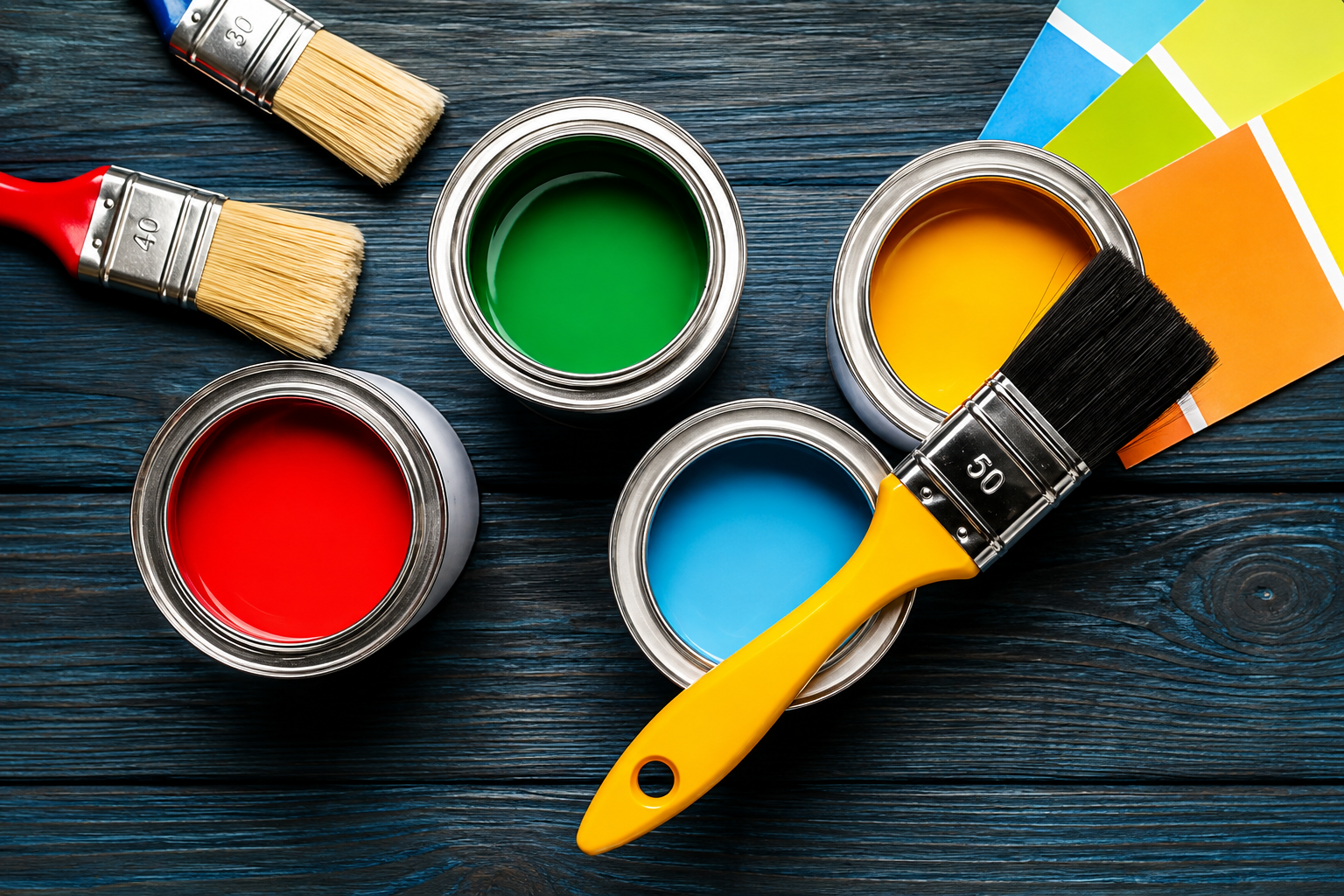
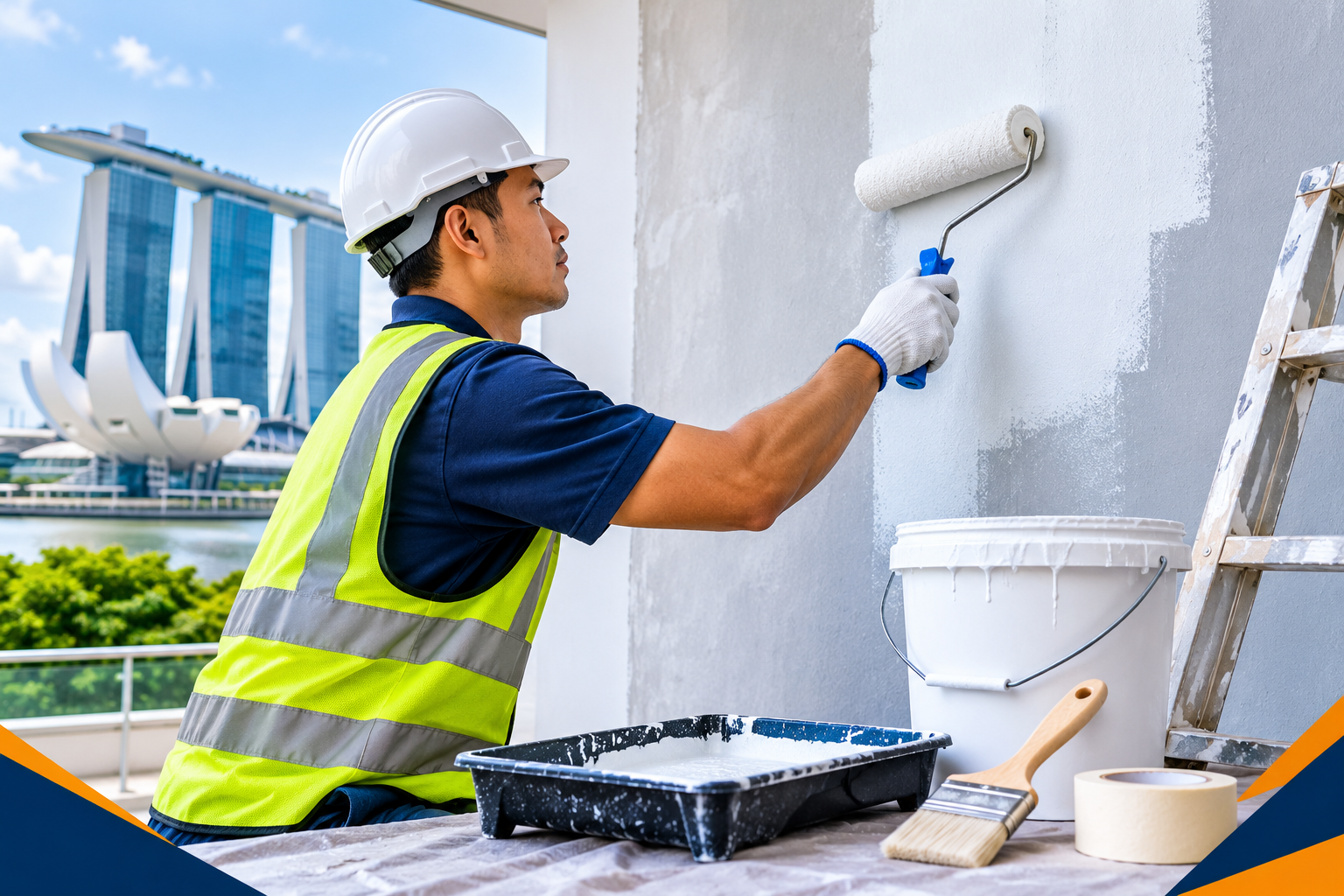
- Paint Brushes and Rollers: Used for applying primer and finishing coats.
- Protective Sheets and Masking Tape: Help protect floors, fixtures, and surrounding surfaces.
- Suitable Primer: Creates a prepared base for the finishing paint.
Selecting materials according to the wall condition and coating requirements helps support better results.
Best Practices for a Clean and Durable Paint Finish
Following suitable preparation practices helps improve the quality and consistency of painting work.
- Prepare the Surface Properly: Never apply paint over dusty, greasy, or unstable wall surfaces.
- Resolve Moisture Issues: Identify and address dampness before starting coating work.
- Use Suitable Repair Materials: Select fillers and compounds appropriate for the wall type.
- Allow Proper Drying Time: Ensure cleaning, filling, and priming materials are sufficiently dry before applying the next layer.
- Choose the Correct Primer: Match primer selection with the surface and finishing paint.
- Protect Surrounding Areas: Cover floors, doors, windows, and fixtures before beginning work.
- Inspect Before Painting: Check the prepared surface under adequate lighting to identify remaining imperfections.
For reliable painting and surface preparation services, explore:
https://www.singcons.com/painting.php
How Proper Coating Preparation Improves Long-Term Results
Coating preparation has a direct impact on the performance and appearance of a painted surface. When walls are cleaned, repaired, and primed correctly, the finishing paint has a more suitable foundation.
This helps reduce common problems such as uneven coverage, visible surface defects, and premature peeling. It also supports a more professional appearance across residential and commercial spaces.
For construction and refurbishment projects, careful preparation is particularly important because different wall surfaces may require different repair methods and coating materials.
A planned preparation process helps maintain quality standards and reduces the likelihood of avoidable rework.
Frequently Asked Questions (FAQs)
1. Why should walls be prepared before painting?
Wall preparation removes dust, grease, loose paint, cracks, and other imperfections. It helps create a stable surface for better paint adhesion and a smoother finish.
2. Is sanding necessary before painting walls?
Sanding is useful for smoothing rough patches, repaired areas, and glossy surfaces. The requirement depends on the existing wall condition and the type of coating being applied.
3. Should primer be applied before painting?
Primer is recommended for many surfaces, particularly new, porous, repaired, or stained walls. The appropriate primer depends on the surface and paint system.
4. Can damp walls be painted?
Painting over damp walls is not recommended. Moisture should be identified and resolved, and the wall should be allowed to dry properly before applying coatings.
5. How does proper wall preparation improve paint durability?
Proper preparation helps remove weak materials and contaminants that can affect adhesion. It creates a more suitable base for the coating system and helps reduce premature paint failure.
Conclusion
Preparing walls properly is one of the most important stages of achieving a clean, smooth, and durable paint finish. Cleaning, repairing, sanding, priming, and inspecting the surface help create the right foundation for successful coating application.
Whether working on a residential property or a commercial project, a structured preparation process improves the appearance and reliability of the finished paintwork. By addressing surface defects before painting and selecting suitable preparation materials, businesses and property owners can achieve better long-term results.
Explore professional painting services for quality surface preparation and finishing: